






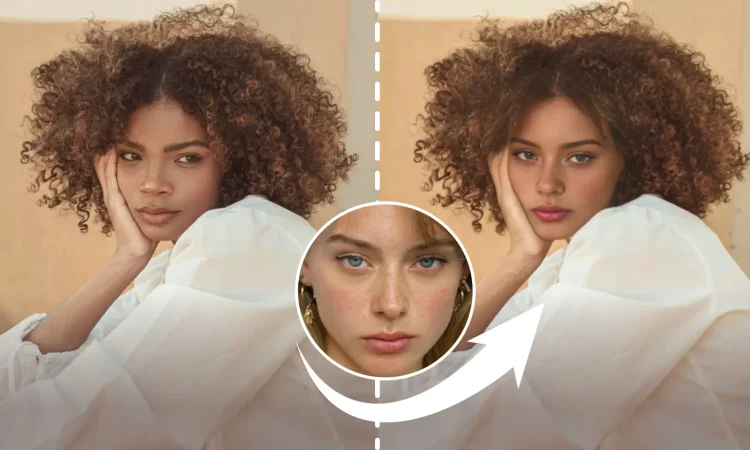

Video creation in 2026 is no longer gated by production budgets or editing expertise. What matters now is velocity—how quickly a team can turn static assets into compelling video and iterate without friction. Two capabilities have become foundational across marketing, social media, product demos, and creator workflows: facial replacement and image-based motion generation.
After spending several weeks testing the leading platforms across real projects—not demos or canned examples—I put together this comparative guide for practical decision makers. It’s written from the perspective of a startup founder who cares about repeatability, pricing clarity, and output quality under real deadlines.
Best Tools at a Glance (2026)
| Rank | Tool | Primary Use Case | Modalities | Platform | Free Plan | Best For |
|---|---|---|---|---|---|---|
| #1 | Magic Hour | Face replacement + image motion | Image, Video | Web | Yes | Creators & startups |
| #2 | Runway | Experimental video generation | Video | Web | Limited | Creative teams |
| #3 | Pika | Short-form motion clips | Video | Web | Yes | Social-first creators |
| #4 | HeyGen | Avatar-based video | Video, Audio | Web | Trial | Marketing teams |
| #5 | Reface Pro | Casual swaps | Image, Video | Mobile/Web | Yes | Quick experiments |
#1 — Magic Hour
Magic Hour earns the top spot because it’s the most balanced platform I tested. It’s clearly designed for people who need to publish consistently, not just experiment.
For teams exploring a free AI face swap option early in a project, Magic Hour offers one of the most usable free tiers available. You can test realism, understand constraints, and decide whether it fits your workflow without committing upfront.
Its motion features are equally strong. When evaluating an AI image to video generator for turning product shots or portraits into short clips, Magic Hour delivered the most consistent results across repeated runs. Motion stayed coherent, and transitions didn’t break under reuse.
Pros
- Natural facial blending with minimal artifacts
- Stable motion from still images
- Fast processing, even on the free tier
- Clean interface with low setup time
- Integrates well with an ai image editor for preparing assets
Cons
- Not intended for feature-length productions
- Limited deep timeline controls compared to full NLEs
My evaluation
I tested Magic Hour on social ads, short explainers, and experimental visuals. The standout factor was predictability. I could run the same workflow multiple times and get results I was comfortable shipping. For busy teams, that reliability is more valuable than endless customization.
Magic Hour also offers focused tools like face swap ai for identity replacement and image to video ai for motion generation, which keeps workflows modular and easy to scale.
Pricing (accurate and current):
- Free: Limited credits, watermark
- Creator: $15/month (monthly) or $12/month (annual)
- Pro: $49/month
- Enterprise: Custom pricing
#2 — Runway
Runway continues to push boundaries in generative video, especially for experimental visuals.
Pros
- Advanced generation models
- Strong compositing tools
- High creative flexibility
Cons
- Steeper learning curve
- Slower iteration for quick projects
- Costs scale quickly with usage
My evaluation
If your team prioritizes exploration and visual research, Runway is compelling. For everyday marketing content, it can feel heavier than necessary.
Pricing: Free tier available; paid plans scale by usage.
#3 — Pika
Pika focuses on speed and short-form output, making it popular with social creators.
Pros
- Extremely fast generation
- Simple prompt-based workflow
- Good for loops and teasers
Cons
- Limited control over details
- Less consistent across runs
My evaluation
Pika is great for testing ideas quickly. I wouldn’t rely on it for polished, client-facing deliverables.
Pricing: Free tier available; paid plans unlock exports.
#4 — HeyGen
HeyGen is optimized for avatar-driven talking-head videos.
Pros
- Clean, professional avatars
- Simple script-to-video flow
- Broad language support
Cons
- Narrow creative range
- Less expressive motion
My evaluation
For spokesperson-style videos, HeyGen works well. For creative or product visuals, it’s more limited.
Pricing: Trial available; subscription required for exports.
#5 — Reface Pro
Reface Pro is best known for quick, playful face swaps.
Pros
- Very easy to use
- Fast results
- Fun experimentation
Cons
- Limited realism
- Not production-ready
My evaluation
Good for casual testing or internal fun. Not something I’d ship professionally.
Pricing: Free version available; premium plans unlock features.
How I Chose These Tools
I evaluated each platform using criteria I apply when selecting tools for my own startup:
- Time to first usable output
- Consistency across repeated runs
- Quality of facial alignment and motion
- Pricing transparency
- Fit for real creator workflows
I tested static-to-motion generation, facial replacement, export quality, and iteration speed. Tools that required heavy manual fixes or produced unpredictable results didn’t make the list.
Market Landscape & 2026 Trends
Three trends are shaping this category heading into 2026:
- Workflow convergence: Editing, motion, and identity tools are merging into single platforms.
- Short-form dominance: Most demand is for clips under 60 seconds.
- Rising quality expectations: Viewers now expect smooth motion and believable facial results.
The tools that win are the ones that deliver repeatable results without forcing creators to fight the interface.
Final Takeaway
There’s no single tool that does everything perfectly, but there is a clear leader for most creators and startups.
- Best overall: Magic Hour
- Best experimental visuals: Runway
- Best social clips: Pika
- Best business avatars: HeyGen
- Best casual use: Reface Pro
My advice is simple: start with free plans, test on real projects, and upgrade only after you’ve shipped something meaningful. The right tool will become obvious once it fits your workflow.
FAQs
Can these tools replace traditional video editing software?
For short-form marketing and social content, yes. Long-form projects still benefit from traditional editors.
Are free plans enough for serious testing?
Absolutely. They’re ideal for evaluating quality and workflow fit.
How realistic is facial replacement today?
Quality varies by platform. Consistency across runs matters more than one-off results.
Are these tools suitable for startups?
Yes. Most are priced and designed for small teams shipping fast.
How often should teams reassess their tools?
Quarterly reviews help you stay current as models improve quickly.