





Can Animated Explainer Videos Help Law Firms Explain Complex Legal Topics?


_________________________________________________________________________
Legal problems are rarely simple, and the language used to describe them often makes them feel even harder. Statutes, deadlines, and procedures can overwhelm someone who is already stressed. An animated explainer video offers a way to turn confusing information into something visual, calm, and easy to follow. For San Diego law firms serving a diverse, multilingual community, that clarity is especially valuable.
What Is an Animated Explainer Video?
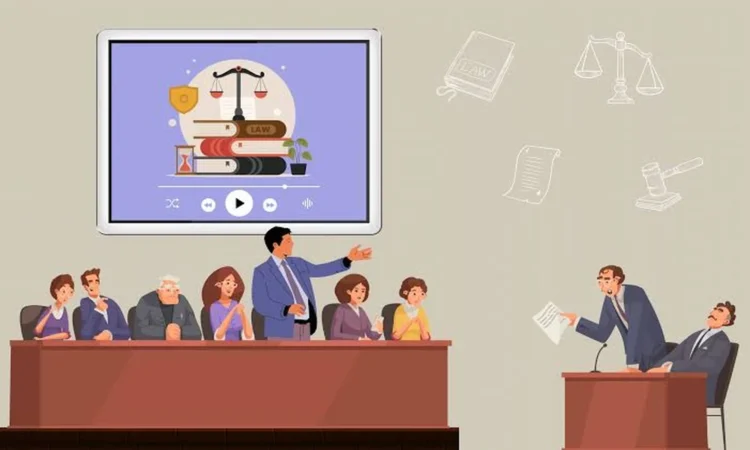
An animated explainer video is a short film that uses illustration, motion graphics, and narration to explain an idea or process. Instead of filming people in an office, it builds a visual story with characters, icons, and simple scenes.
For a law firm, that format can describe how a personal injury claim moves forward, what happens after an arrest, how an estate plan works, or what steps are involved in a workplace dispute. Animation can show abstract ideas in a way that spoken explanations and written paragraphs often cannot.
Why Is Legal Information So Hard for Clients to Understand?
Most people only deal with the legal system a few times in their lives. They are unfamiliar with terms, timelines, and expectations, and they often arrive anxious or upset. Even clear written explanations can feel dense, particularly when a person is trying to read them on a phone in a stressful moment.
This gap between expertise and understanding creates hesitation. Prospective clients may delay calling because they do not know what to expect. Visual explanations help close that gap by reducing uncertainty and making the process feel manageable.
How Does Animation Make Legal Concepts Easier to Grasp?
Animation works because people understand sequences and relationships more quickly when they can see them. A video can show a timeline unfolding, a document moving from one stage to the next, or a decision tree with outcomes branching out.
Key advantages include:
- Visual metaphors that turn abstract ideas into familiar images.
- A controlled pace that introduces one idea at a time.
- Characters that help viewers see themselves in the story without exposing real clients.
- Friendly design that softens an intimidating subject.
Because animated characters are not real people, firms can illustrate sensitive scenarios without invading anyone’s privacy.
Which Legal Topics Are Well Suited to Animated Explainer Videos?
Some subjects benefit more than others. Strong candidates include topics clients commonly ask about:
- How the claims process works after an accident.
- What to do in the first hours following an arrest.
- The steps in a divorce or custody case.
- How wills, trusts, and probate differ.
- What an employee can expect when filing a workplace complaint.
- How a business formation or contract review proceeds.
Choose topics that appear repeatedly in consultations. If staff members find themselves explaining the same thing again and again, a video can handle the basics and leave more time for personal advice.
What Formats Can a Law Firm Use?
Animation is not one single style. Firms can choose the approach that fits the audience and budget.
2D character animation tells a story through illustrated characters and scenes, which suits narrative explanations.
Motion graphics use animated text, icons, and shapes, ideal for processes and timelines.
Whiteboard-style animation draws concepts as the narrator speaks, which works well for educational content.
3D animation can illustrate accident scenarios or medical concepts with greater visual depth, though it usually requires more production effort.
Match the style to the tone of the practice. A family law firm may want warmth and empathy, while a corporate law firm may prefer a cleaner, more professional look.
How Should a Law Firm Write a Script for an Explainer Video?
The script is the foundation. Even beautiful animation cannot rescue confusing narration. Write in plain language, using short sentences and everyday words. Define any necessary legal term the first time it appears.
A strong script usually follows a simple path: acknowledge the viewer’s situation, explain the key steps clearly, describe what the firm can do to help, and end with a clear next step. Keep the length reasonable, since viewers tend to lose focus in longer videos. Read the script aloud to catch awkward phrasing.
How Can Law Firms Stay Compliant With Attorney Advertising Rules?
Legal marketing is regulated, and videos are subject to the same rules as other advertising. Rules vary by jurisdiction, but common concerns include avoiding misleading claims, avoiding guarantees of results, and including disclaimers where required.
Educational videos should clarify that general information is not legal advice and that every case is different. Avoid creating the impression that an attorney-client relationship exists simply because someone watched a video. Have the firm’s compliance contact or ethics counsel review scripts before production.
What Tone Works Best for Legal Videos?
Clients often arrive feeling worried, so tone matters. A calm, respectful voice builds reassurance. Avoid jokes about sensitive situations, dramatic fear-based language, or an overly salesy approach.
Aim to sound like a knowledgeable guide. The video should help the viewer feel informed and supported, not pressured. Warm visuals, gentle color palettes, and a steady narrator contribute to a sense of trust.
Where Should a Law Firm Use Animated Explainer Videos?
A video is only valuable if people see it. Consider placing it where decisions are made:
- At the top of practice area pages to introduce the service.
- On the homepage to explain the firm’s approach.
- In email follow-ups after an inquiry.
- On social platforms, with shorter cuts tailored to each format.
- On video platforms, where many people search for legal explanations.
- In local context, such as references to San Diego courts and county procedures, so viewers see the firm understands their area.
- During consultations, as a way to explain steps visually.
Repurposing one video into several formats multiplies its value.
How Do Captions and Accessibility Improve Video Performance?
Many viewers watch without sound, particularly on phones. Captions ensure the message is understood in any setting and make the content accessible to people who are deaf or hard of hearing. Clear transcripts also help search engines understand the topic of the video and provide an additional text-based resource for visitors.
Accessible design benefits everyone. Use readable fonts, strong contrast, and clear audio.
How Can a Firm Tell Whether an Explainer Video Is Working?
Review how people interact with the video. Watch time, completion, and click-through to contact pages indicate whether the message resonates. Ask new clients whether they saw the video and whether it helped them decide to reach out.
Notice whether consultations become more productive. If clients arrive better informed, the video is saving time and building confidence.
What Mistakes Should Law Firms Avoid With Animated Videos?
- Using legal jargon that defeats the purpose of simplifying.
- Making the video too long or crowded with information.
- Choosing a style that feels childish or inappropriate for the topic.
- Skipping compliance review.
- Failing to include a clear next step.
Final Thoughts on Animated Explainer Videos for Law Firms
An animated explainer video gives law firms a way to turn complicated information into clear, humane communication. With careful scripting, respectful tone, compliance awareness, and thoughtful placement, animation can reduce confusion, build trust, and help potential clients feel ready to take the next step.
Firms interested in producing explainer content can explore professional animation services, or learn more about legal marketing strategies designed for attorneys in San Diego.