






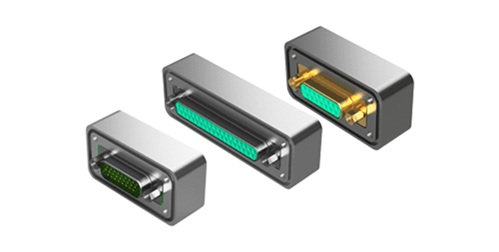

In the world of high-performance electronics, some environments demand absolute protection. Specialised interconnects create perfect barriers against external elements.
These components use advanced glass-to-metal sealing technology. They prevent any gas or moisture from entering sensitive systems. You’ll find them in extreme places, from deep ocean submarines to orbiting satellites. They handle massive pressure changes and temperature swings. Their reliability comes from rigorous testing and precision engineering. They maintain integrity under thermal shock, vibration, and corrosive conditions.
These products protect critical systems in defence, medical, and industrial applications. Their performance ensures safety and functionality in the harshest conditions.
Key Takeaways
Vacuum technology represents another critical application area. Laboratory chambers and semiconductor processing equipment need absolute barrier integrity.
Medical devices benefit from this protection technology. MRI machines, sterilization equipment, and implantable electronics all require perfect environmental isolation.
The energy sector uses these products in challenging conditions. Downhole logging tools and offshore drilling equipment face extreme pressure and temperature variations.
Industrial automation often involves moisture-sensitive sensors. Hazardous environment equipment needs reliable performance in difficult conditions.
Transportation applications include automotive testing facilities. Aerospace ground support equipment also demands high-reliability components.
Research institutions use these products in particle accelerators. Cryogenic systems and environmental test chambers benefit from advanced barrier technology.
Emergency response systems represent another vital application. Firefighting equipment and disaster response robotics operate in extreme conditions.
“The diversity of applications demonstrates how essential environmental protection has become across modern technology sectors.”
Each application presents unique challenges for component performance. The right solution depends on specific environmental factors and performance requirements.
Understanding these diverse uses helps engineers select appropriate products. Proper application knowledge ensures optimal system performance and longevity.
The Science Behind Hermetic Seal Performance
Performance validation separates adequate protection from absolute environmental security. Scientific testing methods prove the integrity of these critical components.
Helium leak testing represents the gold standard for verification. This method uses MIL-STD-883 Method 1014 procedures in specialised vacuum chambers.
“The helium mass spectrometry method detects leaks as small as 1×10⁻¹¹ mbar·l/s, providing unprecedented sensitivity for quality assurance.”
Testing applies one atmosphere pressure differential across the barrier. Helium tracer gas helps identify even microscopic leakage paths.
Acceptable leak rates vary by application requirements. Military applications typically require 1×10⁻⁷ mbar·l/s maximum leakage.
High vacuum systems demand even stricter standards. These applications often specify 1×10⁻⁸ mbar·l/s or better performance.
Thermal performance remains critical for reliability. These barriers maintain integrity across extreme temperature ranges from -115°C to 200°C.
Mechanical robustness testing includes multiple stress factors. Vibration resistance to 2000 Hz and shock tolerance to 1000G ensure durability.
Material science plays a fundamental role in performance. Thermal expansion matching between glass and metal components prevents stress failures.
Common failure modes include microcracks from manufacturing defects. Thermal cycling fatigue and chemical degradation also present potential risks.
Outgassing concerns differ significantly between technologies. Glass-sealed versions show minimal outgassing compared to polymer-based alternatives.
Accelerated life testing simulates years of service conditions. This includes thermal cycling, mechanical stress, and environmental exposure tests.
Industry standards govern validation processes. Key specifications include:
Material compatibility varies significantly between technologies. Ceramic works best with nickel-plated steels while glass prefers specific alloys.
Cost factors also differ substantially across these options. Epoxy represents the most economical choice for basic applications.
Glass offers moderate pricing with excellent performance balance. Ceramic commands premium pricing for extreme environment capabilities.
Electrical performance remains stable with glass and ceramic options. Epoxy may experience dielectric property degradation over time.
Industry adoption patterns reflect these technical differences. Military and aerospace applications typically specify glass or ceramic solutions.
Commercial applications sometimes use epoxy for cost savings where appropriate. The choice ultimately depends on specific environmental challenges.
Understanding these technology differences helps engineers make informed decisions. Proper selection ensures optimal performance in challenging conditions.
Military Standards and Certification Requirements
Government and industry standards ensure absolute reliability for critical electronic systems. These rigorous specifications govern every aspect of component performance.
MIL-DTL-38999 remains the benchmark for circular designs. MIL-DTL-26482 designs serve numerous vacuum chamber applications. Their glass-sealed variants maintain integrity under extreme conditions.
Testing protocols cover multiple performance aspects. Helium leak testing verifies environmental barrier integrity.
Electrical validation measures insulation resistance and dielectric strength. Contact resistance testing ensures proper power transmission.
Mechanical evaluations assess mating force and durability. Shell strength testing confirms structural integrity.
Critical Performance Factors for Hermetic Sealed Connectors
Exceptional components deliver reliability through precise engineering and rigorous testing. These products maintain integrity in the most demanding operating conditions.
Temperature performance remains a fundamental consideration. Military standards typically specify operation from -65°C to 200°C.
Extended versions handle even colder environments down to -115°C. This range covers virtually all extreme applications.
“The ability to withstand thermal cycling without degradation separates premium components from ordinary alternatives.”
Pressure handling capabilities span remarkable ranges. These products manage everything from high vacuum to 5000 psi differential pressure.
Mechanical resilience ensures survival in challenging environments. Vibration resistance meets MIL-STD-810 requirements at 20-2000 Hz with 15G RMS.
Shock survival specifications include 100G for 11ms and 1000G for 1ms impacts. This protects sensitive electronics during transportation and operation.
Environmental protection represents another critical factor. Complete impermeability fulfills IP68/IP69K ratings for moisture resistance.
Chemical compatibility covers various aggressive substances. Resistance includes fuels, hydraulic fluids, solvents, and cleaning agents.
Radiation tolerance becomes essential for space applications. Total dose tolerance ensures performance in orbital environments.
Durability specifications vary by design and application. Mating cycles range from 500 to 10,000 operations depending on configuration.
Electrical performance remains consistently stable. Contact resistance stays low while dielectric strength stays high throughout product life.
Long-term reliability proves exceptional in harsh conditions. These components routinely achieve 20+ years service life in demanding applications.
Leak rate performance demonstrates true engineering excellence. Proper design and testing achieve rates better than 1×10⁻⁸ mbar·l/s.
Understanding these performance factors helps engineers select appropriate solutions. The right choice ensures system reliability and longevity.
Selecting the Right Hermetic Connector for Your Application
Choosing the perfect protective component requires careful analysis of your specific needs. The right selection ensures optimal performance in challenging environments.
Contact count ranges from 2 to 55 positions for various power and signal requirements.
“Proper component selection begins with understanding both electrical and environmental demands. Matching these needs to available technologies ensures long-term reliability.”
Termination options include solder cup, PCB mount, and crimp styles. Locking mechanisms vary by application requirements. Threaded coupling offers maximum vibration resistance.
Bayonet styles provide quick disconnect functionality. Push-pull and quick-release options suit frequent connection needs.
Electrical specifications must match system demands. Voltage ratings reach 50kV for high-power applications.
Current handling capabilities extend to 60A for power transmission. Data protocol support includes USB 3.2 and Ethernet standards.
Environmental considerations include operating temperature ranges. These must match anticipated conditions.
Pressure differentials represent another critical factor. Systems must handle expected variations.
Chemical exposure risks require appropriate material selection. Stainless steel resists corrosion effectively.
Aluminium options reduce weight for aerospace applications. Specialised alloys address unique challenges.
Sealing technology choices impact long-term performance. Glass-to-metal offers superior reliability.
Epoxy solutions provide cost-effective alternatives. Ceramic technology handles extreme temperature conditions.
Certification requirements vary by industry and application. Military specifications demand rigorous testing.
NASA standards govern space applications. International standards include IEC requirements.
Size constraints influence shell selection. MIL-DTL-38999 sizes range from 8 to 37.
Custom solutions address special requirements. These include unique leak rates and material combinations.
Special configurations support unusual application needs. Advanced sealing methods ensure performance in vacuum chambers.
Understanding these selection factors helps engineers make informed decisions. The right choice ensures system reliability and performance.
Implementing Hermetic Sealed Connectors in Your Systems
Proper installation ensures your components maintain perfect environmental protection. Follow IPC and NASA standards for reliable performance.
Use torque wrenches and alignment tools during mounting. Clean sealing surfaces prevent contamination issues.
Soldering and crimping require certified techniques. Always test insulation resistance after installation.
Regular maintenance includes inspection and cleaning. Keep detailed records of all installation data.
Training technicians ensures proper handling. This prevents damage during assembly and operation.
These practices guarantee long-term reliability in demanding applications. Your systems will perform flawlessly in extreme conditions.
- Specialised interconnects create perfect barriers against moisture and gas
- Advanced sealing technology prevents environmental contamination
- Essential for extreme environments from deep sea to space
- Withstand massive pressure changes and temperature extremes
- Rigorous testing ensures reliability in harsh conditions
- Critical for protecting sensitive electronics in multiple industries
- Maintain performance under vibration and thermal stress
- 10,000 mating cycles minimum
- Operating range from -65°C to 200°C
- Resistance to pressure differentials and vibration
- Required leak rate for their specific application
- Anticipated temperature extremes
- Necessary certifications and compliance standards
| Application Area | Environment Challenges | Key Requirements |
| Military Systems | Vibration, extreme temperatures | MIL-STD compliance, high durability |
| Aerospace | Vacuum, radiation, thermal cycling | NASA standards, weight optimization |
| Undersea Equipment | High pressure, corrosion | Depth rating, saltwater resistance |
| Vacuum Technology | Ultra-high vacuum, clean environments | Low outgassing, minimal particle generation |
| Medical Devices | Sterilization, bodily fluids | Biocompatibility, reliability |
- MIL-STD-202 for environmental test methods
- IEC 60068-2 for climatic testing procedures
- NASA-STD-8739 for space system requirements
| Technology | Temperature Limit | Leak Rate | Primary Applications |
| Glass-to-Metal | 200°C | 1×10⁻⁸ mbar·l/s | Military, aerospace, medical |
| Ceramic-to-Metal | 400°C | 1×10⁻⁹ mbar·l/s | High temperature, vacuum chambers |
| Epoxy Potting | 150°C | 1×10⁻⁵ mbar·l/s | Commercial, basic protection |
