




What Businesses Should Know Before Installing a Commercial Cell Phone Booster in Signal-Challenged Properties


Key Points:
- Outdoor signal strength should be checked before booster equipment is selected.
- Building materials and layout can change how cellular signals travel indoors.
- Antenna placement should follow real measurements, not convenience alone.
- Carrier needs should reflect the networks employees and visitors actually use.
- Strong indoor signal cannot fully solve heavy carrier congestion outside.
- Cable quality and routing can directly affect overall booster performance.
- Accessible equipment locations make future testing and maintenance much easier.
- Post-installation testing should cover weak zones and busy work areas.
- Recorded baseline results make future troubleshooting and building changes easier.
Poor indoor cellular service can quickly become a business problem. Calls may drop in offices, garages, loading areas, or rooms deep inside the building. In many cases, the carrier is not the only issue. Concrete walls, coated glass, steel framing, and large floor areas can weaken a signal before it reaches users. Before installing anything, businesses should first find out where the signal is weak and what may be causing the problem.
That first check can prevent expensive mistakes. A booster does not create cellular service from nothing. It takes an available outdoor signal, strengthens it, and sends it through indoor antennas. If the outside signal is already very weak, a larger booster alone may not solve the issue. A good plan should consider outdoor signal strength, building layout, carrier needs, user demand, and the areas where poor service causes the most trouble.
Outside Signal Strength Booster Comes First
A commercial cell phone booster needs a usable outdoor signal before it can improve service inside a building. Technicians should measure signal strength around different sides of the property rather than assuming the roof will always offer the best location. Nearby buildings, terrain, tower direction, and construction materials can all affect reception. One side of a property may receive a much stronger signal than another, even when the difference is only a short distance.
These measurements can also show whether a booster is the right solution. One carrier may have a usable outdoor signal while another performs poorly around the whole property. That difference matters. Businesses should avoid choosing equipment before these checks are complete. Buying hardware first may seem quicker, but it can lead to a system that does not meet expectations. A short survey at the beginning can save a much larger correction later.
Antenna Placement Shapes Indoor Coverage
Indoor and outdoor antenna placement has a big effect on the final result. The outside antenna needs access to a strong enough signal, while indoor antennas must send that signal into the areas where people work. Equal spacing is not always the answer. Concrete walls, metal shelves, elevators, and long hallways can change signal strength quickly. Sometimes moving an antenna a few feet works better than adding another one.
The outside and inside antennas also need enough separation from each other. If they are placed poorly, the system may interfere with itself and reduce its own output. This can lead to weak or uneven coverage. That is why antenna positions should be chosen from real measurements, not simply from the easiest mounting points. A convenient location for an installer is not always the best location for long-term cellular performance.
Building Layout Changes How Cellular Signals Travel
A commercial cellular booster should be planned around the shape and materials of the building, not just its total size. A large open office behaves very differently from a building filled with concrete walls, stairwells, storage areas, and mechanical rooms. Signals become weaker as they pass through dense materials. Because of that, some spaces may need much more support than others, even when they sit on the same floor.
How each area is used matters as well. A small storage room may not need the same level of coverage as a reception area, conference floor, or customer space. Businesses should decide which locations matter most before installation begins. There is little value in spreading coverage evenly if most calls and mobile activity happen in a few busy zones. A focused design can often improve the user experience without adding equipment where it is not really needed.
Carrier and User Demand Need a Closer Look
Businesses should know which carriers employees, visitors, and work devices actually use. A building can have good service from one carrier and weak service from another in the same room. That becomes especially important in shared offices, hotels, medical buildings, or customer-facing properties where many different users come and go. Knowing which networks matter helps the design team focus on the service conditions that affect real users.
User numbers matter too. Fifty employees spread across three floors create a different demand pattern from 150 people gathering in one event space. A booster can improve indoor signal, but it cannot remove every limit from the carrier network outside. That is an important tradeoff. Better indoor signal can make calls and data more reliable, but heavy carrier congestion may still affect performance during very busy periods.
Cabling Quality Supports Reliable Booster Performance
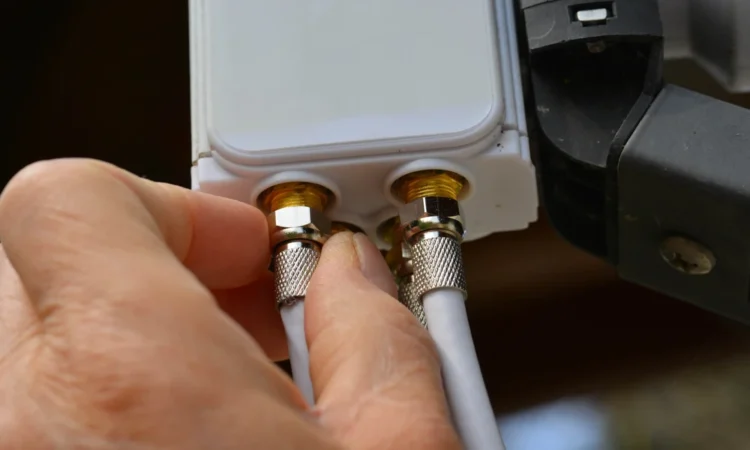
A second commercial cell phone booster planning point is the cabling that connects antennas, splitters, and other equipment. Cable length, connectors, and routing can all affect how much signal reaches the indoor antennas. Long cable runs or poor connections may reduce performance before the signal reaches users. Careful routing, proper connectors, and protection from damage can make a noticeable difference to how well the system works over time.
Equipment access should also be planned early. Booster hardware and connections may need testing or adjustment later. If they are placed above a difficult ceiling or inside a crowded room, even a simple service visit can become frustrating and expensive. A slightly more accessible location may take extra planning during installation, but it usually makes future maintenance much easier. Technicians should be able to reach key parts of the system without disturbing unrelated building areas.
Testing Should Match Real Building Conditions
A second commercial cellular booster checkpoint comes after installation. Technicians should test the areas that mattered most before the project began, including interior rooms, corridors, garages, lower levels, and busy work zones. Checking signal bars alone is not enough. Call stability, data performance, and overall signal quality give a much better view of whether the system is helping. Testing should reflect how people actually use the property during a normal day.
The results should also be recorded. That gives technicians something useful to compare against if the building changes later. A tenant may add new walls, or a warehouse may install large metal storage racks six months after installation. Those changes can affect signal movement. With original readings available, technicians can see what changed and focus on the problem area instead of testing the entire property from the beginning.
Conclusion
Installing a cellular booster in a building with weak coverage requires more than choosing a powerful unit. Outdoor signal strength, building materials, antenna locations, carrier needs, cabling, equipment access, and testing all affect the result. Businesses that review these areas before installation are more likely to improve indoor service without wasting money on unnecessary equipment. They also reduce the chance of needing major changes after the system is already in place.
CMC Communications supports commercial properties with cellular booster planning, installation, DAS solutions, cabling, testing, and related wireless services. Their team can review outdoor signal strength, building layouts, coverage needs, cable routes, and equipment locations before work begins. This wider planning approach can help businesses choose a practical solution for poor indoor service while making the finished system easier to test, maintain, and adjust when the property changes later.
Frequently Asked Questions
Question: Can a cellular booster work if there is no outdoor signal?
Answer: A booster normally needs an existing outside signal to strengthen and redistribute indoors. If outdoor service is extremely weak or unavailable, another wireless solution may be more suitable.
Question: Why should outdoor signal be tested before choosing equipment?
Answer: Signal strength can change around different sides of the same building. Testing helps technicians find the best donor signal and understand which carriers have enough outdoor service to support a booster.
Question: Does a larger building always need a stronger booster?
Answer: No. Building materials, layout, antenna placement, cable loss, outdoor signal, and user demand all matter. A more powerful unit cannot correct poor system design by itself.
Question: Can building renovations affect booster performance?
Answer: Yes. New walls, metal storage, large equipment, or layout changes can alter how cellular signals travel. Retesting after major renovations can show whether the system needs adjustment.
Question: Which areas should be tested after installation?
Answer: Testing should include known weak zones, busy work areas, interior rooms, corridors, garages, lower floors, and any other spaces where reliable cellular service is important.
| CONTENT CHECKLIST | |
| Total Word Count | 1475 |
| Grammarly Premium Score | 92 |
| Readability Score | 48 |
| Plagiarism | 100% |
| Primary Keyword Usage | 2 times |
| Secondary Keywords Usage | 2 Times |
| Highest Word Density | 1.5 |
| Brand Name Integration | 1 Time |
| Ai Detection Score | 18 |
| Maximum Paragraph Length | 6 Lines |
| FAQs | 5 |